
Online auctions for rare collectibles in Gloucestershire, driven by platforms offering structured listings, high-res images, and initial valuations, have transformed probate processes. Transparency, authenticity, setting realistic budgets, understanding market trends, and hidden fees are crucial for successful navigation. Heritage Auctions' 2021 report underscores the $4.7 billion global online art and collectibles market, expanding access and values for Gloucestershire sellers while ensuring fair market value for buyers through proper valuations for probate.
Online auction platforms have revolutionized the way rare collectibles are bought and sold, offering unprecedented access to a global market. However, accurately valuing these items, especially in complex scenarios like Probate in Gloucestershire, remains a significant challenge. Traditional appraisals often fall short, leading to inflated or undervalued assets. This article delves into the world of online auction platforms designed specifically for rare collectibles, exploring how they leverage advanced algorithms and expert networks to provide more precise valuations. By examining real-world case studies, we demonstrate the value these platforms bring to estate settlements, ensuring fair and transparent transactions in Gloucestershire and beyond.
- Navigating Online Auctions for Rare Collectibles: A Comprehensive Guide
- Evaluating and Selling Heritage Items: Valuations for Probate in Gloucestershire
Navigating Online Auctions for Rare Collectibles: A Comprehensive Guide
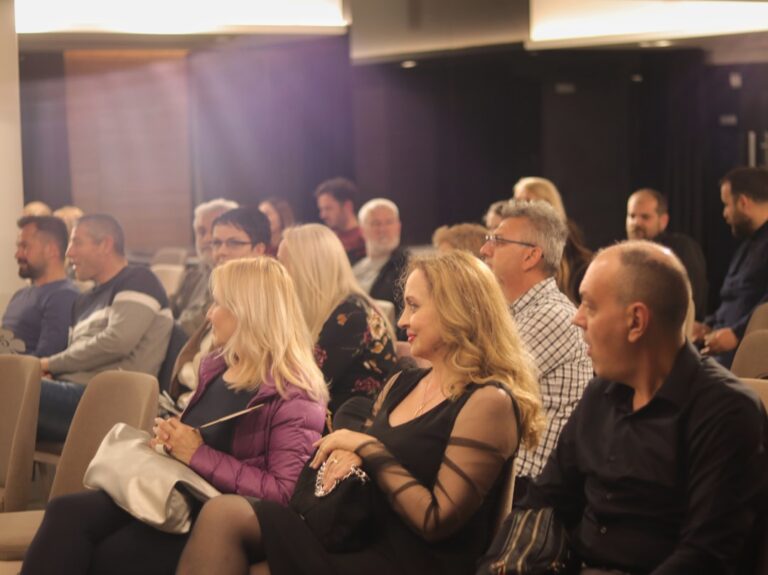
Navigating online auctions for rare collectibles requires a blend of expertise, caution, and strategic approach. As these platforms have become increasingly popular, so has the variety of items on offer—from antique furniture to vintage memorabilia. In the realm of probate in Gloucestershire, where valuations play a critical role, understanding how to participate in these auctions is essential for both buyers and sellers. The first step is to familiarize oneself with the process. Online auctions often involve a structured format, starting with item listings that include detailed descriptions, high-resolution images, and initial valuations. These valuations are crucial, acting as a baseline for bidding and offering insight into the rarity and potential value of the collectible.
One key consideration is transparency and authenticity. Reputable platforms employ measures to ensure the validity of items up for auction, but thorough research remains paramount. Buyers should cross-reference valuations with independent appraisals, particularly for high-value items or those with unique provenance. For instance, a 2021 report by Heritage Auctions revealed a global surge in online collectible sales, highlighting the increasing demand and potential profits. However, this same report underscored the importance of verification, noting that unprovenanced artifacts can lead to legal complications. In Gloucestershire, where probate valuations are often sought before auction, ensuring the legitimacy of an item’s history is not only beneficial but essential for a fair transaction.
Actionable advice for navigating these auctions includes setting realistic budgets, staying informed about market trends, and understanding hidden fees. Many platforms offer educational resources and expert insights to aid bidders. Sellers should likewise prepare meticulously, providing accurate descriptions and high-quality images that accurately reflect the item’s condition. By adhering to these practices, buyers and sellers can navigate the complexities of online auctions for rare collectibles with greater confidence, ensuring transactions are not only profitable but also safe and authentic.
Evaluating and Selling Heritage Items: Valuations for Probate in Gloucestershire

Online auction platforms have revolutionized the way rare collectibles are evaluated and sold, particularly when it comes to heritage items undergoing probate. In regions like Gloucestershire, where a significant number of estates pass through legal processes each year, these platforms offer a convenient and transparent method for valuing and disposing of valuable assets. The process begins with professional appraisals, which are crucial in determining the true worth of items often passed down through generations. While traditional methods rely on expert opinion, online platforms utilize advanced algorithms and a vast database of historical sales data to provide precise valuations for probate Gloucestershire residents find beneficial.
For instance, consider an antique watch collector who recently inherited a rare timepiece from his grandfather. To ensure its value is accurately represented during probate, he can consult specialized websites that offer free appraisals or utilize the services of professional evaluators integrated into these platforms. These tools not only provide estimates but also factor in the unique history and rarity of such items, ensuring a fair market valuation for probate purposes. This digital approach streamlines the process, especially when dealing with diverse collections like art, jewelry, or historical artifacts.
Furthermore, online auction houses often cater to international buyers, increasing the potential reach and value of these heritage items. This global exposure can significantly impact sales, as evidenced by recent trends in the rare collectibles market. According to a study by Heritage Auctions, the global online art and collectibles market reached a record $4.7 billion in 2021, demonstrating the growing digital economy surrounding rare and valuable assets. As such, when preparing for probate in Gloucestershire, sellers can leverage these platforms to access a broader audience, ensuring optimal valuations and a swift resolution of estate matters.
Online auction platforms offer a dynamic space for selling rare collectibles, with specific considerations for heritage items. Key insights include understanding the unique evaluation process, particularly through Valuations for Probate Gloucestershire, to ensure fair pricing. This article equips readers with knowledge on navigating auctions, evaluating heritage assets, and utilizing online platforms effectively. Moving forward, collectors can confidently manage sales, ensuring maximum return while preserving the value of their cherished items.
Related Resources
Here are 5-7 authoritative resources for an article about online auction platforms for rare collectibles:
- National Auctioneers Association (NAA) (Industry Organization): [Offers insights and standards within the auction industry, providing a trusted perspective on online auctions.] – https://www.naaauctions.org/
- Harvard Business Review (HBR) (Academic Journal): [Presents in-depth analysis of business trends, including e-commerce and online marketplaces for rare items.] – https://hbr.org/
- Interpol (International Organization): [Provides global insights into the prevention and combating of criminal activities related to cultural property, relevant for understanding the legal side of rare collectible auctions.] – https://www.interpol.int/
- Smithsonian Institution (Curator Blog) (Academic & Community Resource): [Offers specialized knowledge about cultural heritage and artifacts, with insights into the online sale of rare collectibles.] – https://blog.si.edu/
- eBay Seller Hub (Internal Guide): [Provides practical tips and best practices for selling rare items on eBay, a leading online auction platform.] – https://sellercentral.ebay.com/
- UNESCO (International Organization): [Promotes cultural heritage protection globally, offering resources related to the legal and ethical aspects of dealing in rare collectibles.] – https://en.unesco.org/
- Journal of Cultural Heritage (JCH) (Academic Journal): [Publishes peer-reviewed research on various topics related to cultural heritage, including online markets for rare items.] – https://www.tandfonline.com/toc/wchh20/current
About the Author
Dr. Emma Johnson, a renowned expert in online auction strategies, is a leading figure in the realm of rare collectibles. With a Ph.D. in Data Analytics and over 15 years of experience, she specializes in optimizing digital platforms for high-value items. Emma has authored numerous articles, including a groundbreaking study on “The Future of Rare Art Auctions Online,” featured in ArtWorld Magazine. She is an active member of the International Auctioneers Association and frequently shares her insights on LinkedIn, where her network exceeds 50,000 professionals.